
On 31st January 2026, a two-day Refresher & Orientation Training for Pashu Sakhis (trained women goat rearers in rural communities) was successfully organised at Balad Duba village with the objective of strengthening community-based goat healthcare services. The training brought together nine dedicated Pashu Sakhis from different villages, reinforcing their knowledge, upgrading their practical skills, and empowering them to better serve goat rearing families in their communities.
The participants included Bina Mahato from Salboni; Kanchanlata Mahato and Shyamali Mahato from Shirshi; Uma Mahato from Kamarbandhi; Madhumita Mahato from Amlachoti; Bharati Mahato from Baladduba; Tripti Mahato from Gobindpur; Binapani Mahato from Golbandhi; and Abad Sit from Jitushol village. Among them, five were experienced Pashu Sakhis—Uma Mahato, Bina Mahato, Kanchanlata Mahato, Madhumita Mahato, and Bharati Mahato—who have been actively working at the grassroot level and participated to refresh and upgrade their field knowledge.
The training commenced at 10:30 AM, with arrangements for transportation, refreshments, lunch, and tea to ensure a supportive and focused learning environment. The sessions were conducted by an experienced team of trainers including Dr. Kamal Kar, Pritam Dey, Uttam Sardar, and Swati Kar. The programme was designed to run over two days, combining theoretical discussions with practical demonstrations.
The first day was focused on strengthening inter personal communication and community engagement skills. Pashu Sakhis were trained on how to effectively communicate with villagers, conduct meetings, and build rapport within the community. Since they serve as frontline goat health workers in areas where veterinary services are unavailable, their ability to mobilize and educate villagers are essential. The sessions also covered technical topics such as vaccination schedules, identifying diseases, understanding which vaccine should be administered for specific illnesses, and determining the correct timing for vaccination. Detailed discussions were held on selecting appropriate primary healthcare medicines for various ailments and ensuring their correct usage.
Participants were also trained on maintaining an Animal Health Register proper documentation and record-keeping, and making supplementary foods like Animal Lick Block/Pashu Chat[1] for goats. In addition, they learned village mapping techniques to systematically identify goat rearing households, track services, and plan future interventions effectively.
On 2nd February 2026, the second day of training deepened the focus on practical livestock management skills. Trainers provided detailed explanations about primary disease-specific medicines, dosage, and treatment protocols. Special emphasis was placed on preparing balanced feed mixtures (Dana Mix) to improve goat nutrition and productivity. Practical demonstrations were conducted on castration techniques, proper hair trimming, and hoof trimming essential practices for maintaining hygiene and preventing infections among goats.
The importance of such refresher and orientation programmes cannot be overstated. In rural areas where access to veterinary doctors is either not available or very limited, trained Pashu Sakhis serve as the first point of contact for goat rearing families. Regular training ensures that they remain updated with the latest knowledge on disease prevention, vaccination schedules, medicine usage, and improved livestock management practices. By strengthening their technical capacity and communication skills, these programmes enhance their effectiveness as both service providers and community educators for goat rearing.
Healthy livestock directly enhances household income, better nutrition, and financial security for rural families. When Pashu Sakhis are equipped to prevent diseases, reduce mortality, and guide farmers on proper feeding, breeding and management and practices, they contribute significantly to sustainable livelihood development. Moreover, capacity-building initiatives foster self-reliance within communities by building local expertise rather than depending solely on external services.
The Refresher & Orientation Training for Pashu Sakhis 2026 was therefore not merely a training session, but an investment in rural resilience and grassroots leadership. By empowering community animal health workers with updated knowledge, practical skills, and confidence, the programme strengthened the foundation of decentralized animal healthcare systems.
As livestock continues to play a crucial role in the socio-economic fabric of rural households, sustained training, mentorship, and community engagement will remain essential. Strengthening the capacity of Pashu Sakhis ultimately strengthens the livelihoods of entire communities, paving the way toward healthier livestock, increased productivity, and sustainable rural development. This also improves traditional goat rearing practises by plugging many gaps.
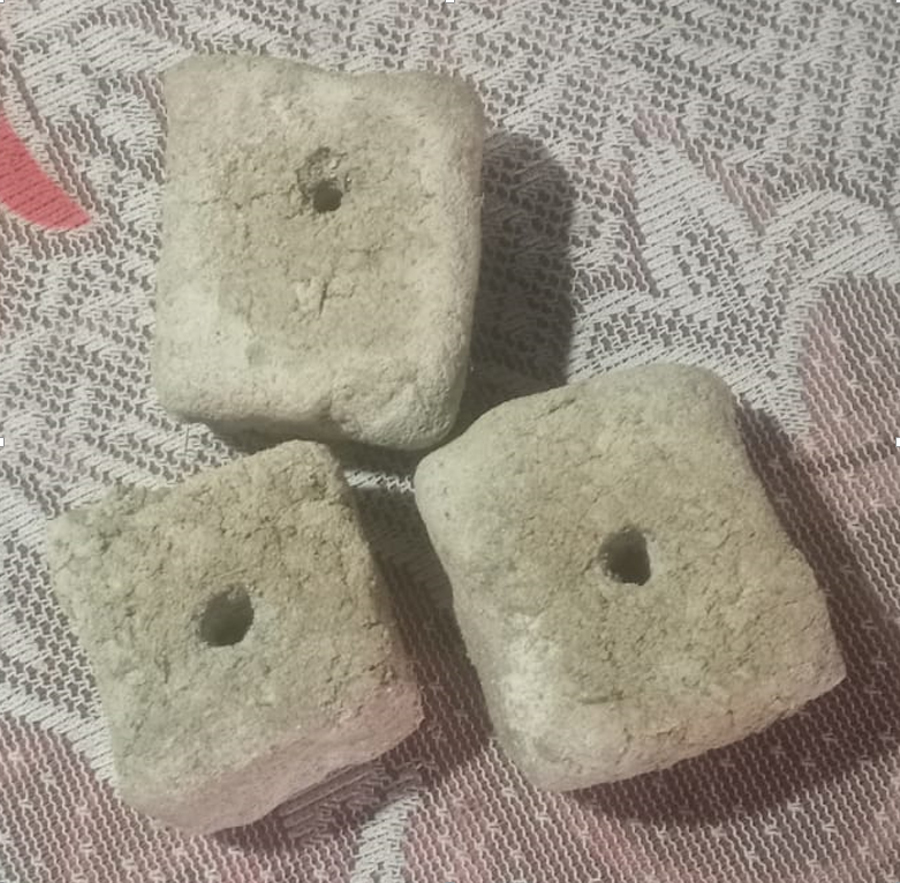
Pashu Chat/Animal Lick Block (Average weight 100 gm)
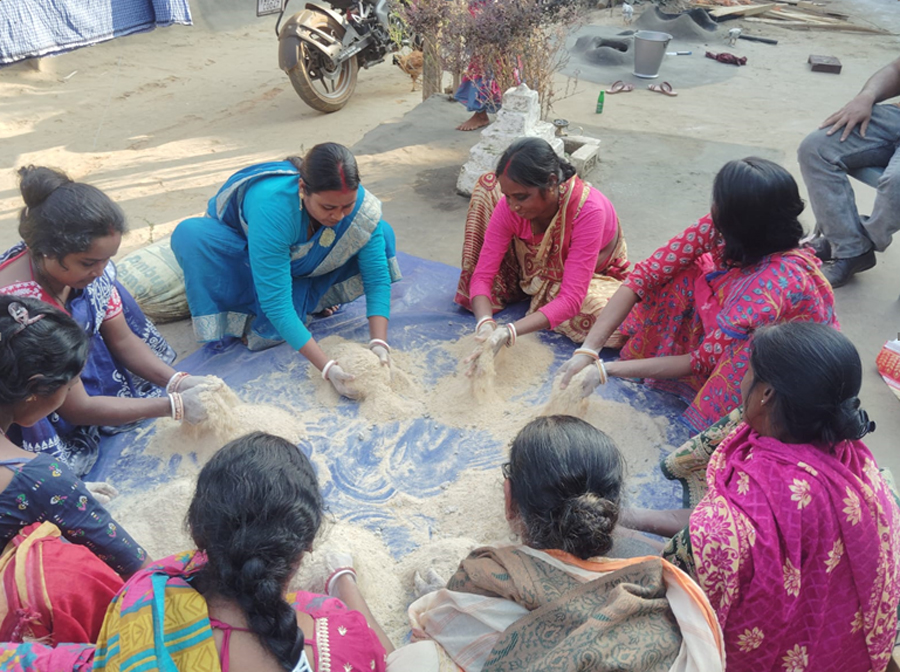
Pashu Sakhis are making Dana Mishran’s for Goats
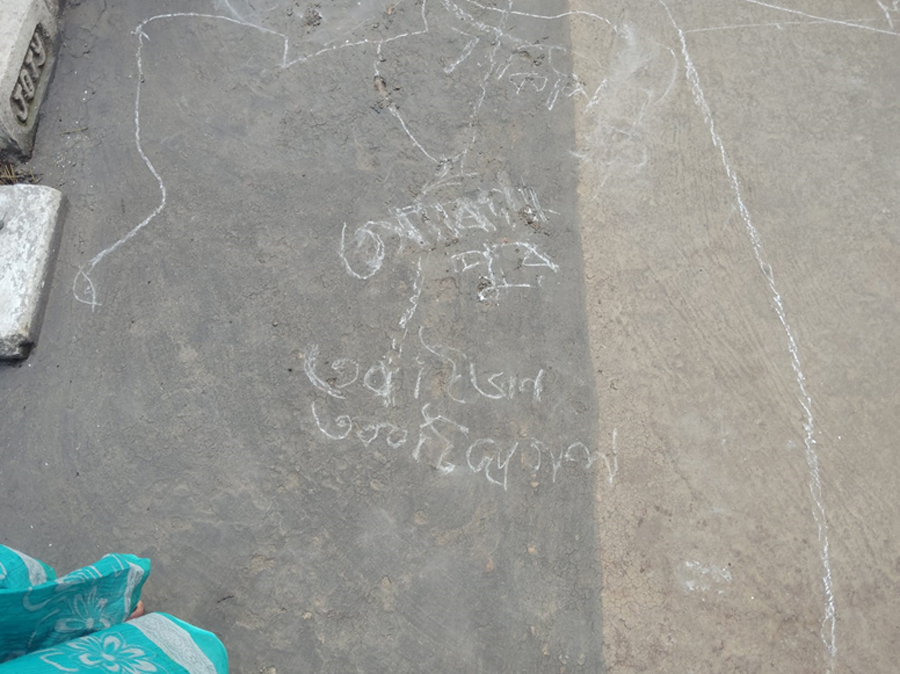
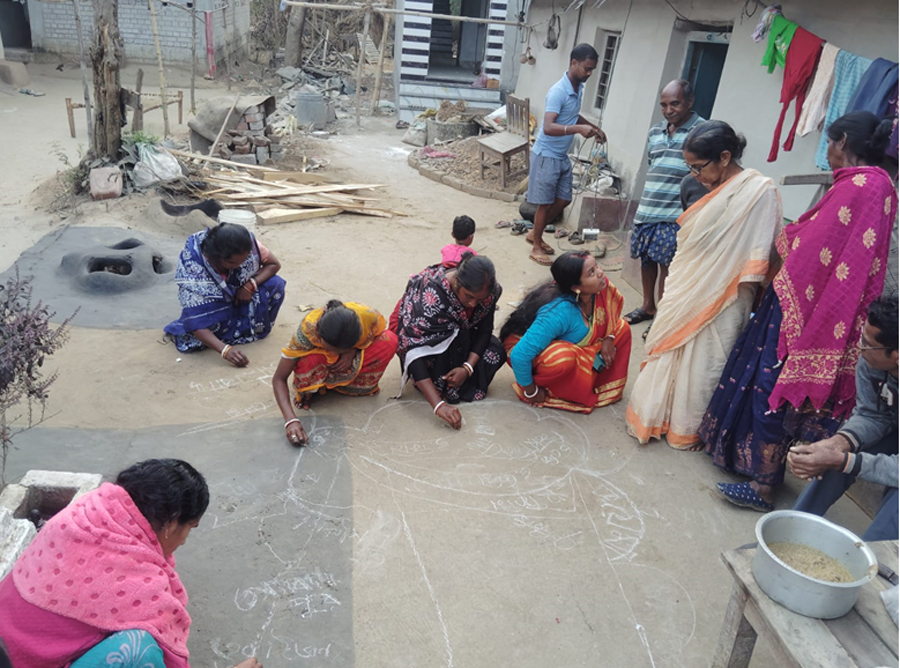
Participatory Making of Village Map
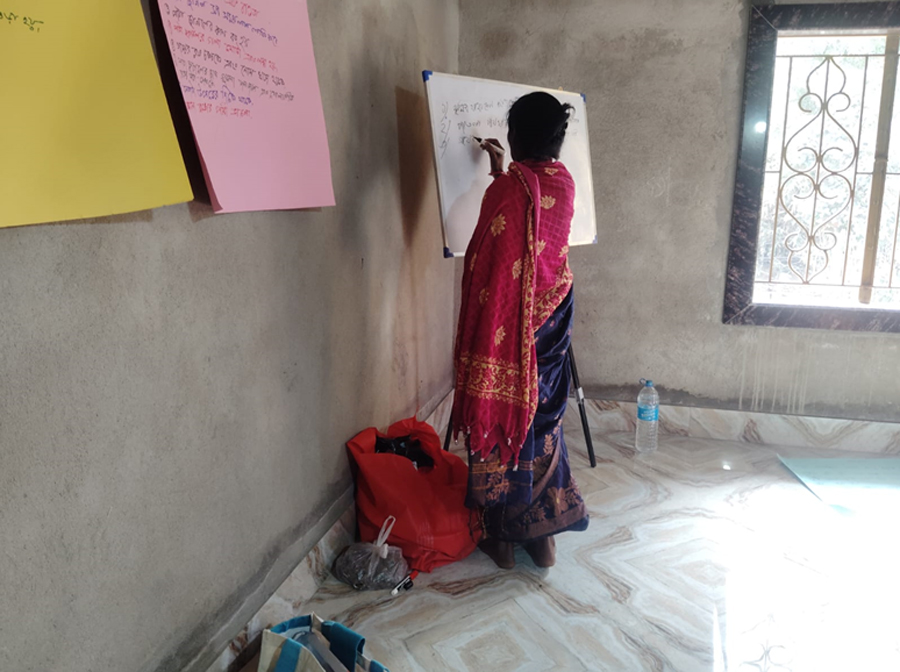
A Pashu Sakhi demonstrating presentation on importance of Deworming

Leave A Comment