
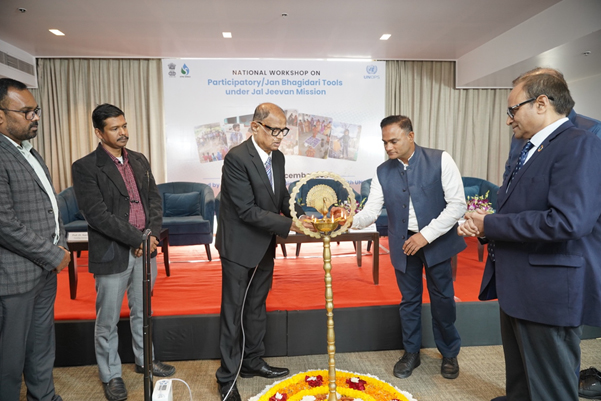
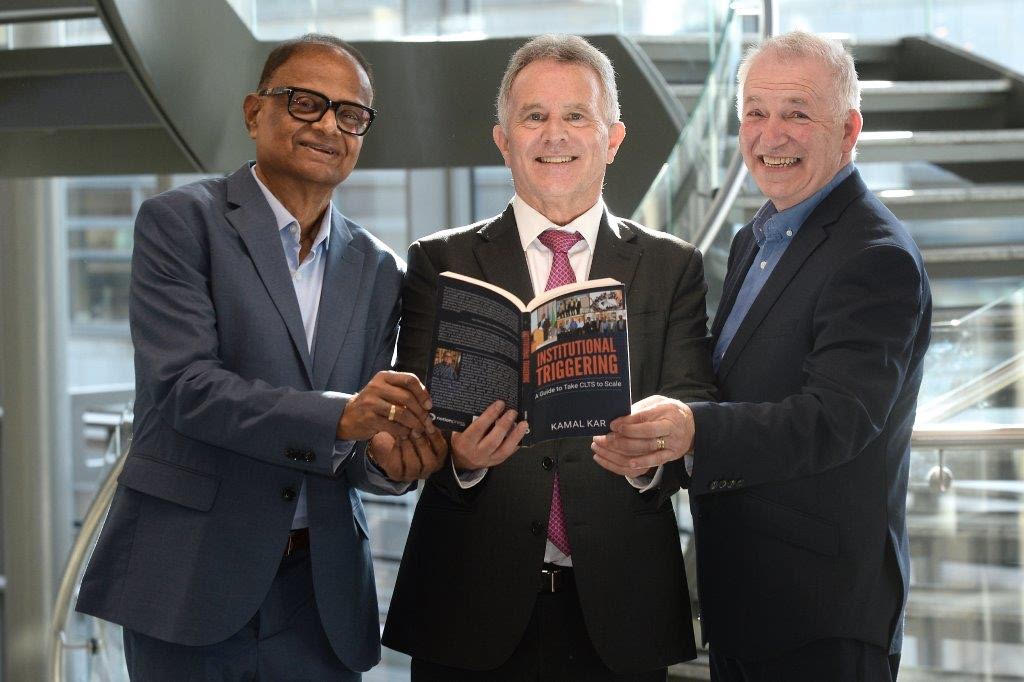
CLTS Foundation was honoured to be invited to the National Workshop on Participatory / Jan Bhagidari Tools under the Jal Jeevan Mission, jointly organised by UNOPS India and SPM NIWAS on 22–23 December 2025. The workshop brought together practitioners, policymakers and sector experts from across the country to reflect on how participatory approaches can shape the future of rural water security in India. As part of this important national dialogue, Dr. Kamal Kar, Chairman of CLTS Foundation, was invited as a Keynote Speaker, where he reflected on India’s remarkable progress under the Jal Jeevan Mission since its launch in 2019 and the transformative vision of “Har Ghar Nal, Har Ghar Jal.” While highlighting on the aspect of Surakshit Jal he emphasised that as coverage expands, the focus should be on towards “Har Ghar Nal, Har Din Surakshit Jal,”. He stressed on the critical importance of water quality, safety, storage and sustainability. Dr. Kar highlighted that lasting outcomes can only be achieved when institutions work hand in hand with empowered communities, stressing Participatory Rural Appraisal as a powerful process of deeply listening to people, valuing their knowledge, and placing communities at the centre of planning and decision-making. Through such participatory approaches, he noted, rural water systems become safer, more resilient and sustainably when managed by communities themselves.
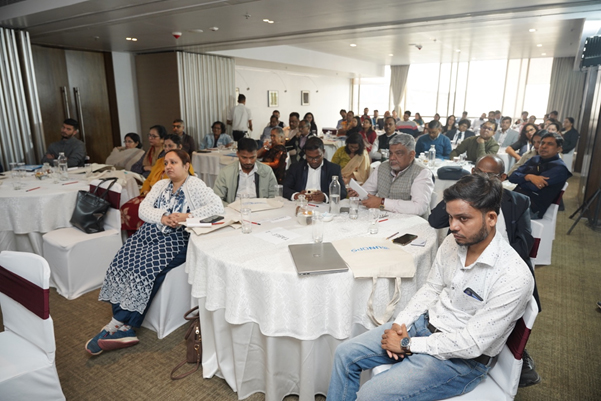
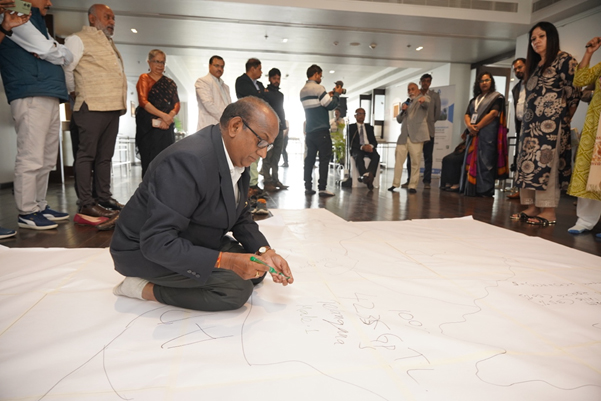
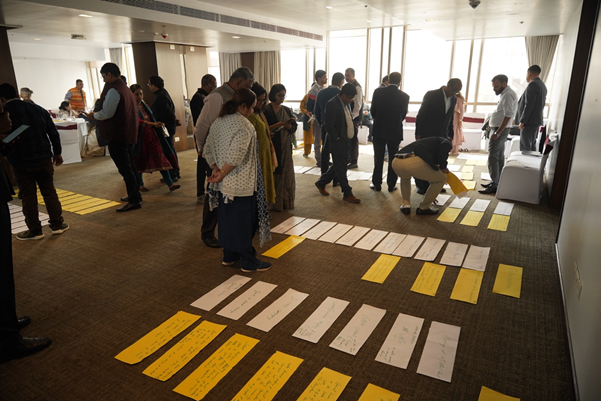
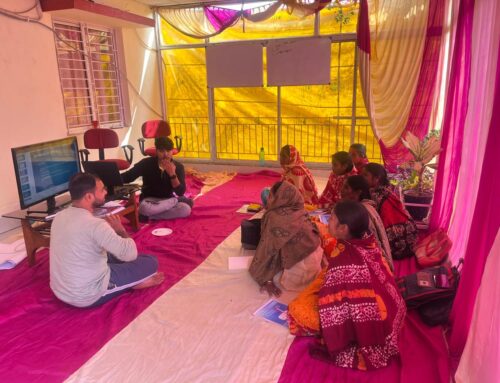
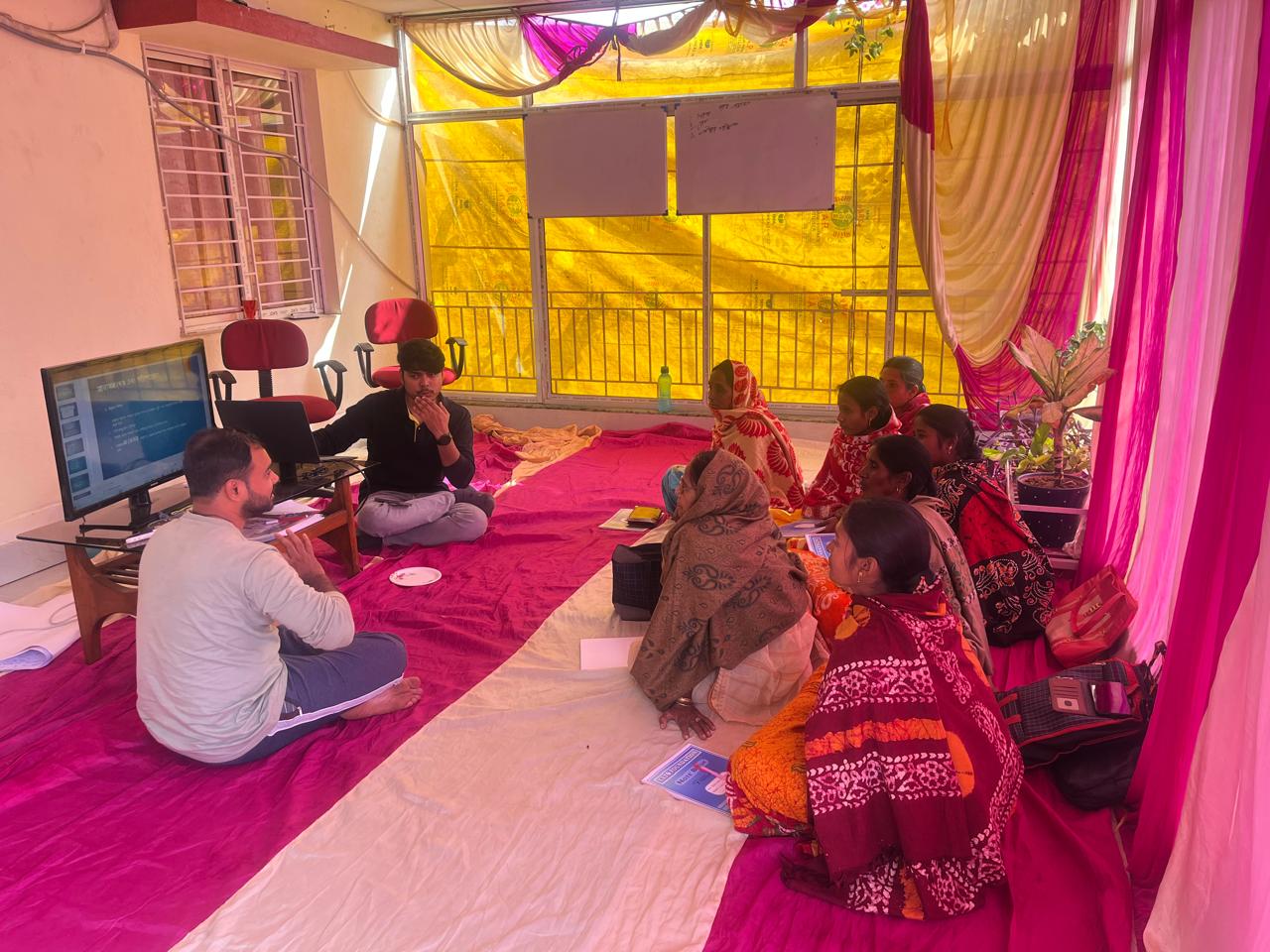
The workshop itself served as a vibrant platform for moving from tools to transformation. Day 1 focused into the practical participatory tools being used across states under the Jal Jeevan Mission programme. Participants actively mapped the tools using chart paper and cards that showcased diverse field-level innovations. Each tool was linked to the specific challenges it addresses, ensuring that solutions remain rooted in local realities. This was followed by group discussions which enabled the participants to analyse the tools in depth, examining their context and methodology, the resources required and results achieved, the changes brought about in community dynamics, and opportunities to further strengthen outcomes in the future. Day 2 culminated in an energetic plenary session where participants presented their learnings to peers and experts, fostering learning and collective reflection cross the states. All the participants were invited for a networking dinner which was held on 22nd December.
By documenting and sharing Jan Bhagidari tools through this collaborative process, the workshop laid the foundation for developing a National Compendium that will guide participatory and sustainable water management in the years ahead. CLTS Foundation contributed in the national effort and continues advocating for people-centred, participatory approaches that place communities at the heart of water security and development.

Leave A Comment